


Infrastructure and the shift of tourist flows to coastal destinations in Ho Chi Minh City
The development of transportation infrastructure is changing accessibility to southern coastal cities, expanding weekend leisure options for people in Ho Chi Minh City.
The demand for urban leisure is shifting
For many years, the beach was associated with extended holidays or meticulously planned trips. However, with the increasing pressure of urban life, the need for a change of living space is no longer a once-a-year occurrence but is becoming a frequent, recurring need.
The concept of the Weekend Economy is therefore gaining increasing attention. People are not simply spending money on a trip , but are also seeking experiences of relaxation, entertainment, and rejuvenation after stressful workdays.
In many countries, satellite cities located one to two hours from the city center have thrived thanks to this trend. In Vietnam, similar conditions are gradually emerging as car ownership rates increase, middle-class incomes improve, and inter-regional transportation systems are continuously invested in and expanded.
In particular, in the southern region, the emergence of new expressways is gradually changing the distance between Ho Chi Minh City and the coastal cities of Ba Ria - Vung Tau province that were previously far apart.

Notably, the Ben Luc - Long Thanh expressway officially opened to traffic along its entire length on October 1, 2026. Meanwhile, the Bien Hoa - Vung Tau expressway also commenced full operation in May 2026. This approximately 54 km long expressway provides additional travel options between Ho Chi Minh City, Dong Nai, and the southeastern coastal region, helping to alleviate pressure on National Highway 51.
Another crucial link is the Ho Chi Minh City - Long Thanh expressway expansion project . According to updated information at the end of October 2026, the project has reached approximately 80% completion and construction is being accelerated, aiming for completion in December 2026.
Along with the expressway network, the DT994 coastal road is also being upgraded. The road is approximately 76.8 km long, with a total investment of over 6,500 billion VND, connecting the areas of Long Son, Long Hai, Phuoc Hai, Ho Tram, Xuyen Moc, and Binh Chau. According to the plan, the project's components are expected to be completed by the end of 2026 and the first quarter of 2027.
Once completed, National Highway 994 will not only enhance connectivity between coastal tourist destinations but also expand links with the Cai Mep - Thi Vai port cluster, industrial zones, and economic centers in the region.
Another driving force for growth comes from Long Thanh International Airport. According to the updated plan, the airport is expected to begin commercial operation at the end of 2026. Phase 1 is designed with a capacity of 25 million passengers per year and 1.2 million tons of cargo per year.
It is evident that the southeastern area of Ho Chi Minh City is developing a multimodal connectivity network, including expressways, coastal roads, and air travel. This is a factor that can expand the source of tourists for coastal cities, not only from Ho Chi Minh City but also from other localities and international visitors.
New destinations for fun, entertainment, and relaxation are emerging.
As travel time and costs improve, the demands of resort property buyers are also changing. Instead of focusing solely on expected price appreciation, investors are increasingly prioritizing practical operational viability, occupancy frequency, and the ability to attract repeat guests. This is also the basis for the market shifting from a resort destination model to an experience destination model.
In this context, multi-functional development complexes are beginning to attract attention. In the Phuoc Hai area of Ho Chi Minh City, Qtopia is positioned as a weekend city model, a destination for entertainment, recreation, and relaxation day and night.

Qtopia is developed by Phat Dat Real Estate Development Joint Stock Company (PDR:HOSE) on a scale of over 7.3 hectares, comprising 9 tourist apartment and commercial service buildings, each 20 stories high. The project offers a flexible product structure including studios, 1-bedroom, 2-bedroom, 3-bedroom apartments, shophouses, etc., with diverse amenities and flexible interior handover options, suitable for both vacationing and maximizing rental income.
The project aims for a Resort City and Entertainment Complex model, with a system of amenities including Quay Station, Ocean Galaxy, swimming pools, water park, sports complex, health care facilities, and a commercial and culinary street operating day and night.
Notably, the "Travel Station" at the project is gradually becoming operational, becoming a new destination for tourists visiting the Phuoc Hai area in recent weeks. Simultaneously, the first five towers of the project commenced construction on November 6th.
According to experts, Vietnam's tourism real estate sector is facing a great opportunity for development as many bottlenecks in the tourism industry are gradually being removed. In the new development cycle, transportation infrastructure may be a pioneering factor, but product quality, operational capacity, and the ability to retain tourists are the decisive factors in the long-term vitality of resort real estate."
Notably, the "Travel Station" within the project is gradually becoming operational, becoming a new destination for tourists visiting the Phuoc Hai area in recent weeks. Simultaneously, the first five towers of the project commenced construction on November 6th. According to experts, Vietnam's tourism real estate is facing a great opportunity for development as many bottlenecks in the tourism industry are gradually being removed. In this new development cycle, transportation infrastructure may be a key factor, but product quality, operational capacity, and the ability to retain tourists are the decisive factors for the long-term viability of resort real estate.
Source: Dau tu Newspaper .
RELATED NEWS
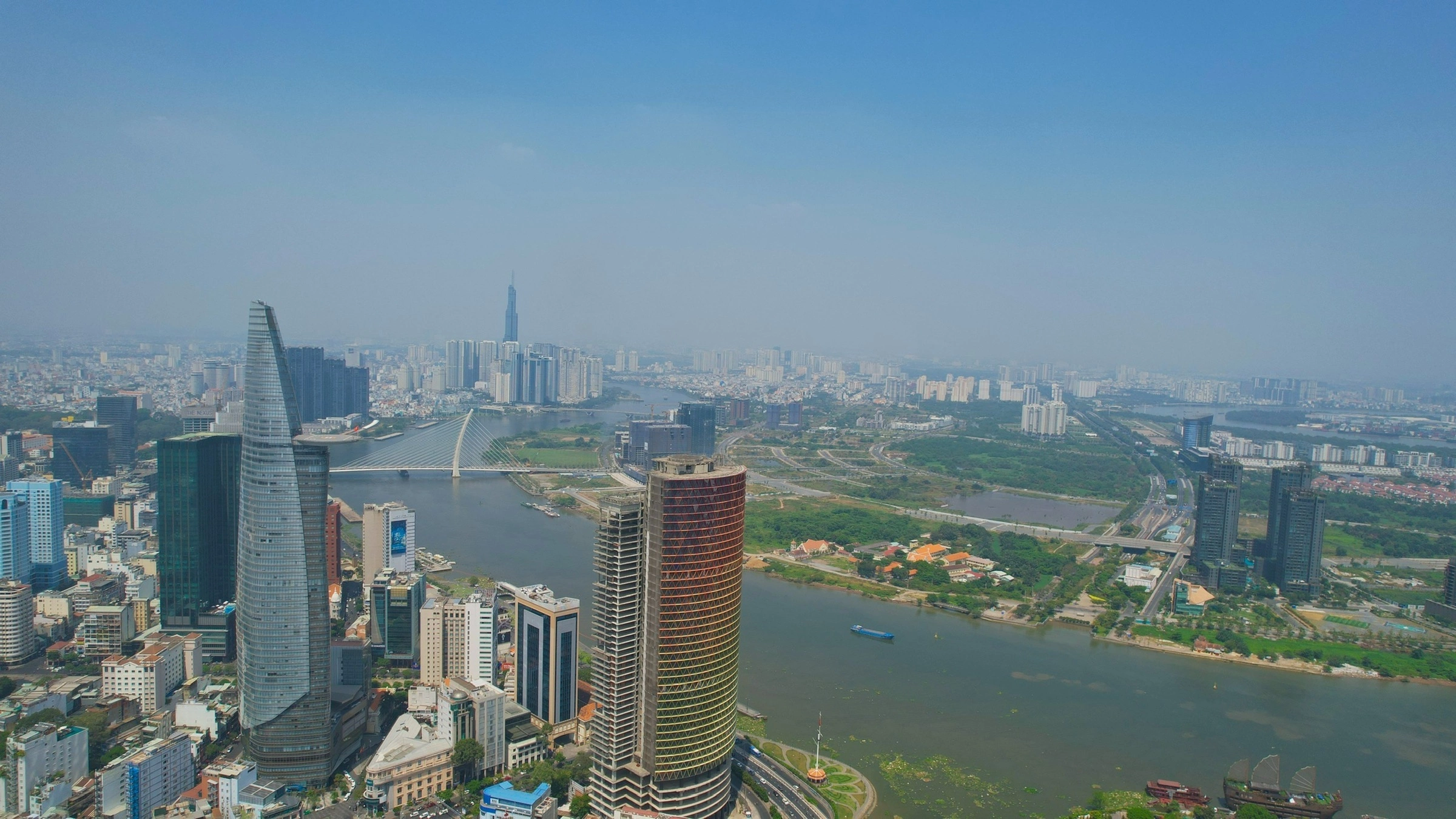
In the first ten months of the year, revenue from real estate business services in Ho Chi Minh City is estimated at VND 373,011 billion, an increase of 10.8% compared to the same period last year.

The expansion of seaports, airports, and inter-regional transportation routes connects Quy Nhon, creating more opportunities for the real estate market.

TPO - Mr. Tran Luu Quang commended the city's departments, agencies, and investors for coordinating the implementation of projects and works to ensure progress, including the City Center Square Project and the Ho Chi Minh City Administrative Center.

(Dan Tri Newspaper) - After nearly two years of operation of Metro Line 1 in Ho Chi Minh City, apartment prices along the route have increased sharply, with some projects seeing increases of over 400%, making housing near stations increasingly inaccessible to low- and middle-income earners.
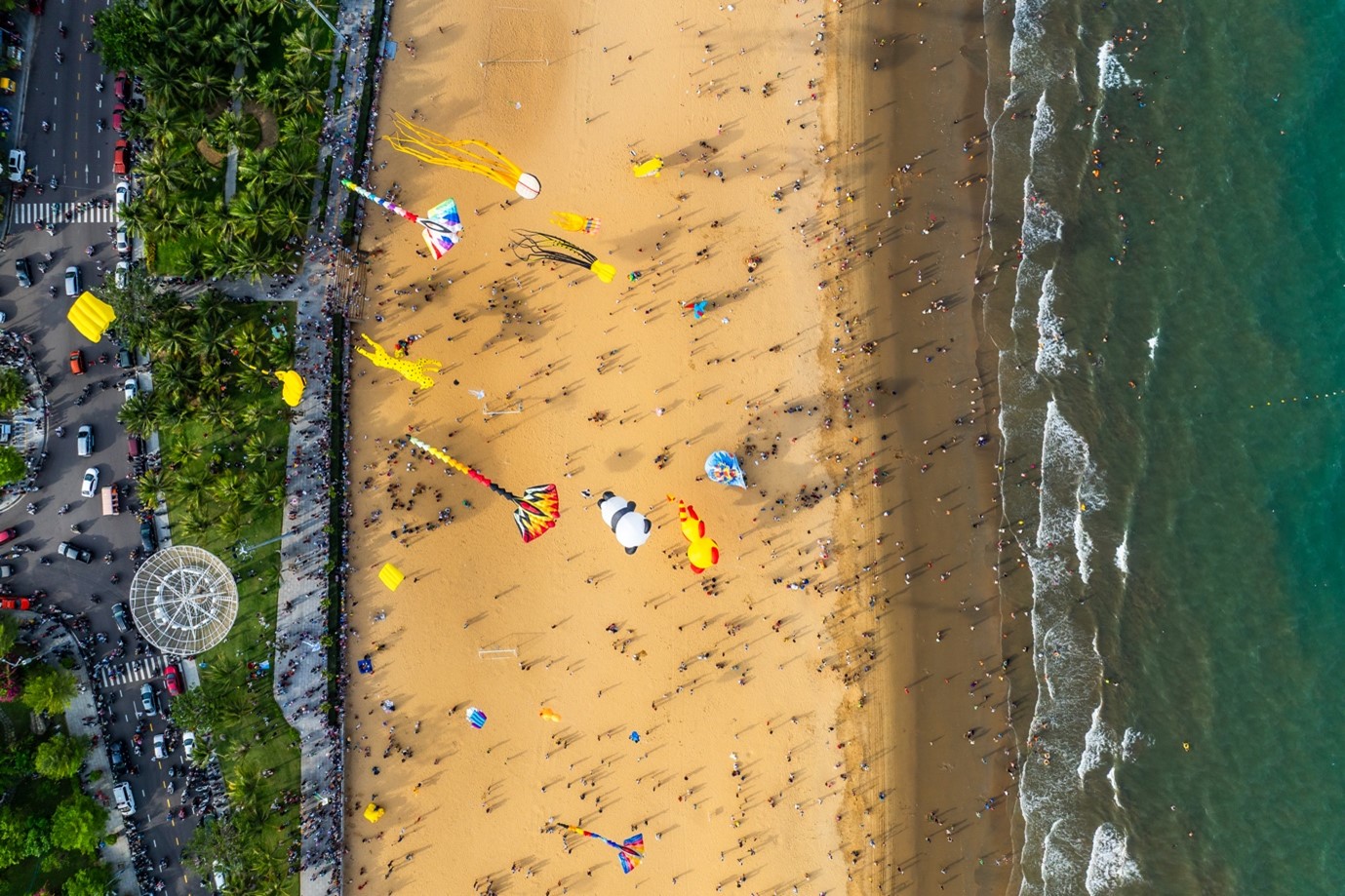
To attract high-spending tourists and encourage longer stays, Quy Nhon's resort real estate needs to supplement its supply of quality accommodation, diversify experiences, and better connect with its value proposition.
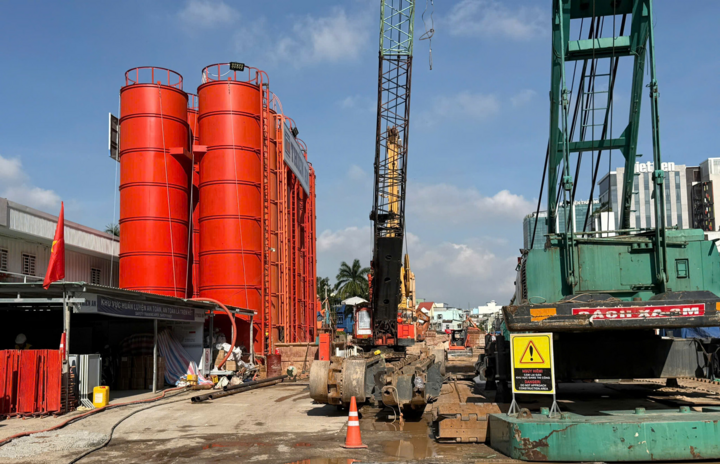
Ho Chi Minh City plans to start construction on 5 metro lines by the end of 2026. Among these, the Thu Thiem line connecting to Long Thanh Airport has the largest capital investment, at approximately 134,000 billion VND.
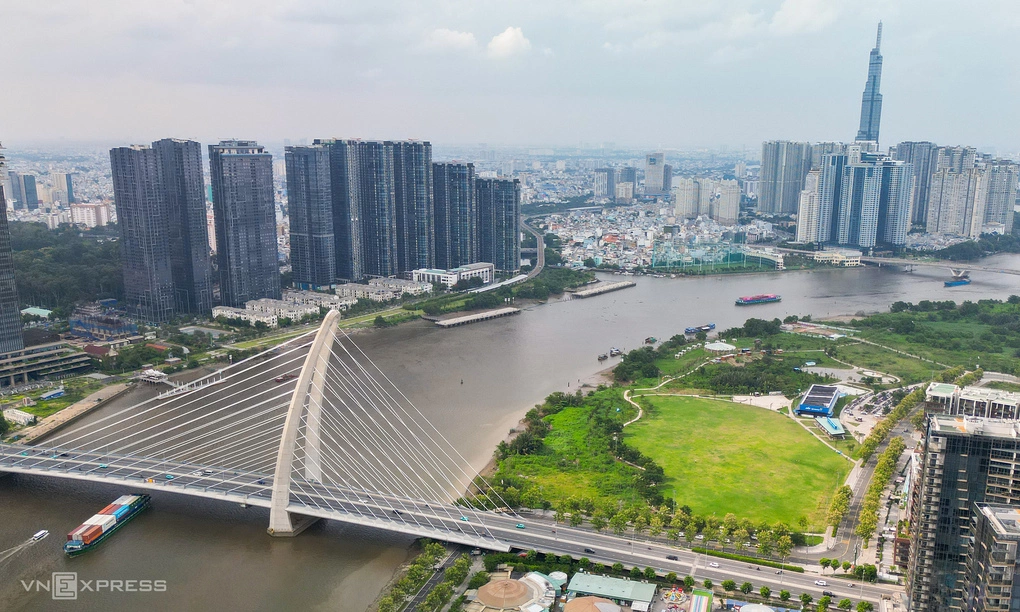
Vietnam has over 16,000 "branded" properties (including both completed and under-construction), ranking third in the world after the UAE and the US, according to Global Branded Residences.

Behind the new ranking lies significant changes in the legal framework, data, and how the real estate market in Vietnam is valued.