


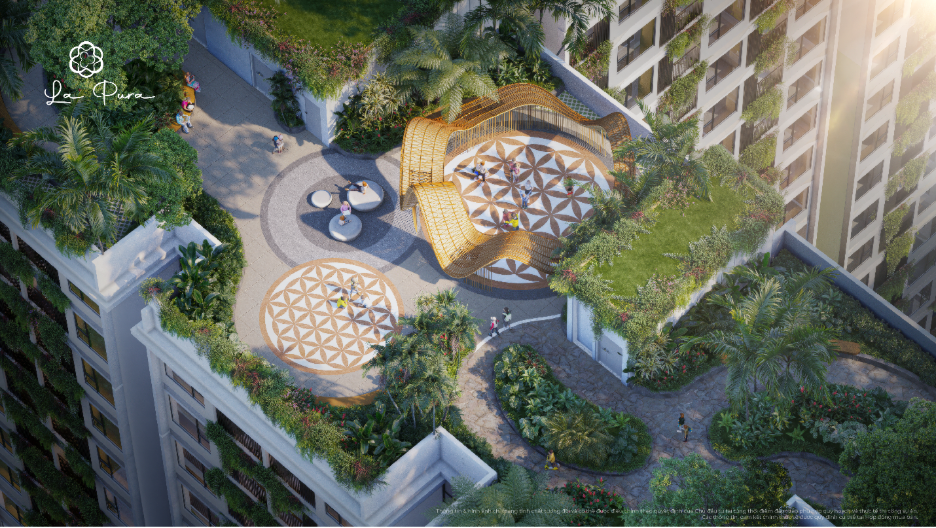
In today's urban architectural landscape, rooftops are no longer viewed as merely functional spaces reserved for water tanks and mechanical equipment. Instead, they have evolved into personal “sky sanctuaries”—spaces where lifestyle, sustainability, and nature seamlessly converge.
With thoughtful planning and design, rooftops have become a valuable extension of the home, offering solutions for space optimization, well-being, and long-term property value.

Why Rooftop Design Has Become a Defining Trend in Modern Architecture
Investing in rooftop spaces is no longer just about aesthetics. It offers tangible benefits in terms of comfort, functionality, and economic value.
Improving Microclimate and Energy Efficiency
Concrete rooftop surfaces are often a major contributor to the urban heat island effect and can significantly increase indoor temperatures.
By incorporating rooftop greenery or advanced insulating materials, surface temperatures can be reduced by 5–10°C. This helps create a naturally cooler environment, improves the efficiency of cooling systems, and ultimately lowers monthly energy consumption.
Enhancing Property Value
A thoughtfully designed rooftop with clear functionality can significantly increase a property's appeal and market value.
Homes, villas, and apartments featuring well-designed rooftop lounges or outdoor living spaces often enjoy greater liquidity and can command resale values that are 10–20% higher than comparable properties with underutilized roof areas.
Bringing the Farm-to-Table Lifestyle Home
As health and wellness become top priorities, urban rooftop farming is gaining popularity.
Growing vegetables, herbs, and fruits at home allows families to access fresh organic produce while reducing dependence on external food sources. Beyond the practical benefits, gardening also provides a therapeutic activity that encourages relaxation and strengthens family connections.
2. Innovative Ideas for Transforming Rooftops into Multi-Functional Spaces
The year 2026 sees a growing diversity of rooftop design concepts, ranging from minimalist contemporary spaces to lush tropical retreats.
Elevated Urban Farm with Artistic Landscaping
Rather than relying on scattered planting containers, contemporary rooftop gardens often feature tiered planting systems combined with decorative trellises for climbing plants.
Leafy vegetables such as lettuce and water spinach can be grown alongside aromatic herbs like mint and basil. To add visual depth, consider incorporating dry landscape elements such as white gravel, natural stones, and bonsai arrangements, creating a rooftop garden that is both productive and tranquil.
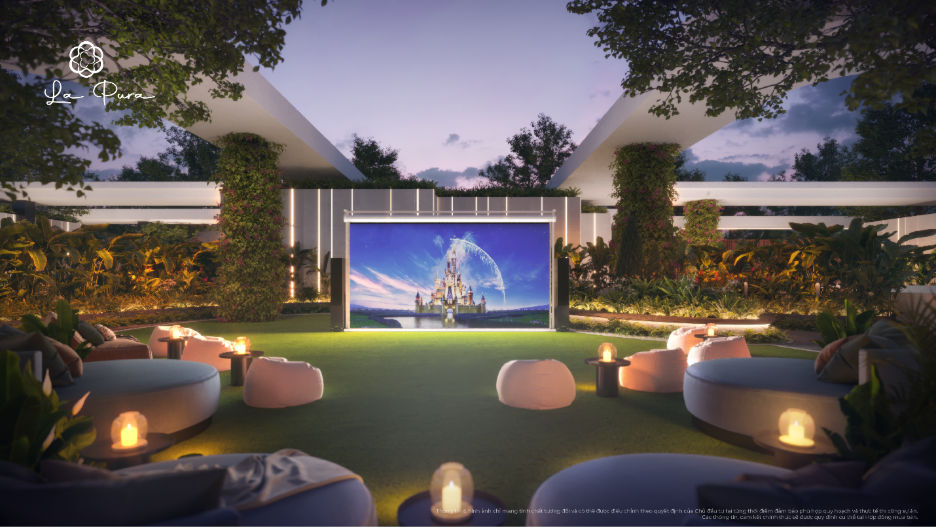
The "Sky Resort" Concept
Transform your rooftop into a private resort with weather-resistant outdoor furniture, comfortable lounge seating, and thoughtfully designed relaxation zones.
Translucent polycarbonate canopies or smart retractable awnings provide shade while maintaining openness and natural light. Features such as mini koi ponds or cascading water elements not only enhance visual appeal but also help regulate humidity and create soothing ambient sounds.
Outdoor Green Home Office
As flexible and remote working continue to gain traction, rooftop workspaces have become increasingly desirable.
A workspace furnished with composite wood desks and durable outdoor seating can provide an inspiring environment for productivity. Green privacy screens created with climbing plants such as Rangoon creeper or curtain creeper help reduce dust and create a sense of enclosure, while solar-powered lighting ensures sustainability during evening work sessions.
3. Choosing the Right Plants and Sustainable Materials
Long-term rooftop success depends heavily on selecting plants and materials suited to local environmental conditions.
Hardy Sun-Loving Plants
Rooftops are exposed to intense sunlight and strong winds, making plant selection especially important.
Species such as bougainvillea, Rangoon creeper, and curtain creeper thrive in these conditions while providing lush greenery and natural shading. Trees such as desert rose, Taiwan almond, and ornamental palms can also create structure and shade while withstanding tropical climates.
Feng Shui Plants for Positive Energy
Many homeowners also incorporate plants believed to promote prosperity and well-being.
Money trees, dracaenas, snake plants, and lady palms are popular choices due to their air-purifying qualities and positive symbolic meanings. Bamboo varieties are often used to define spaces while contributing a sense of balance and stability.
Essential Technical Considerations
To successfully transform a rooftop into a functional living space, several technical aspects should be carefully addressed:
- Waterproofing Systems: Multi-layer waterproofing membranes should be installed before placing planters, decking, or landscaping elements to prevent water infiltration.
- Structural Load Capacity: The combined weight of soil, water, vegetation, and decorative features must be carefully calculated to ensure structural safety.
- Drainage Design: A well-planned drainage system is critical to prevent water accumulation, leakage, and potential damage to plants and building structures.
- Safety Railings: For households with children, railings should meet safety standards in terms of height and design while remaining visually harmonious with the overall architecture.
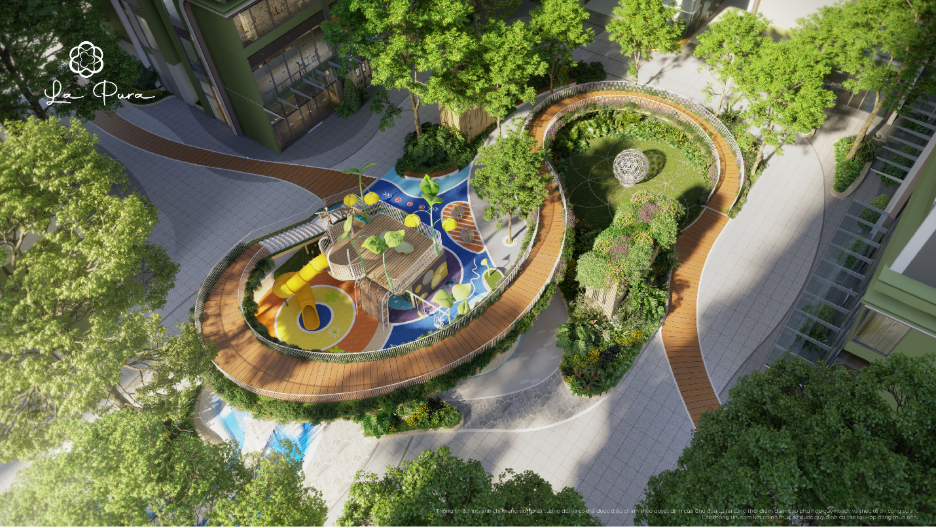
Creating a Greener Lifestyle Above the City
Designing a rooftop is about far more than filling an unused space. It is an opportunity to create a lifestyle that is greener, healthier, and more sustainable.
Whether you envision a productive rooftop garden, a peaceful meditation corner, or a luxurious outdoor retreat, the rooftop offers a unique place to reconnect with nature while enjoying panoramic views above the city.
Start planning your own rooftop sanctuary today and discover how this often-overlooked space can become one of the most valuable and inspiring areas of your home.
