


As working from home becomes part of the “new normal,” more people are seeking quieter communities, larger homes, better ventilation, and greener surroundings to maintain a healthy and balanced lifestyle. Here are 10 simple yet effective ways to create a healthier living environment for you and your family.

Why Do We Need a Healthy Living Environment?
Over the past few years, one thing has become increasingly clear: home is our safest sanctuary. As we spend more time at home working, relaxing, and caring for both our physical and mental well-being, the need for a healthy living environment has never been greater.
Let’s explore 10 practical ideas that can help transform every corner of your home into a more nurturing and restorative space.
1. Personalize Your Living Space
Life at home becomes much more enjoyable when every corner reflects your personality and lifestyle.
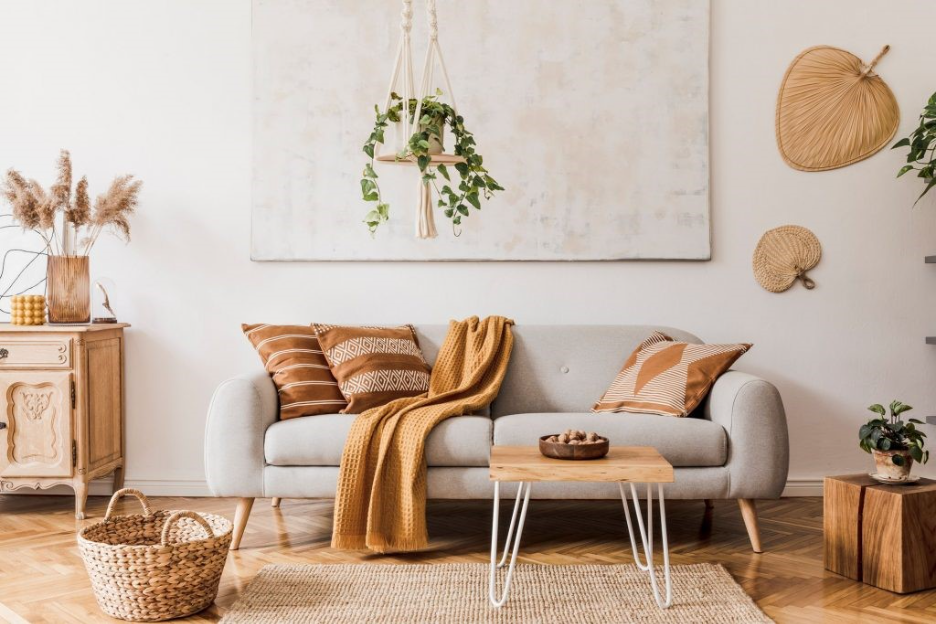
A room decorated with your favorite artwork, materials, and colors can create a strong sense of comfort and belonging. Don't hesitate to incorporate personal touches such as family photos, cherished fabrics, or decorative accessories. These details help turn a house into a space that truly feels like your own.
2. Maximize Natural Light
Light—whether natural or artificial—is essential for emotional well-being.
Warm lighting creates a cozy atmosphere, while sunlight provides vitamin D and promotes a positive mindset. Consider installing larger windows and using light-colored curtains to allow natural light to fill your home.
In the evening, choose lighting solutions that mimic daylight for workspaces or reading areas. A balanced light cycle can improve sleep quality, enhance focus, and boost overall energy levels.
3. Bring Nature Indoors with Plants
If spending time outdoors isn't always possible, bring nature closer by incorporating greenery into your home.
Indoor plants not only enhance aesthetics but also help purify the air, reduce pollutants, and create a calming atmosphere. Even a few small plants, such as snake plants, peace lilies, or pothos, can breathe life into a room and provide a daily dose of positive energy.

4. Play with Colors
Colors have a remarkable ability to influence mood and emotions.
Soft shades of blue, white, or beige are ideal for bedrooms, creating a soothing environment. Living rooms can feel warmer and more inviting with earthy tones such as brown, terracotta, or muted reds.
A thoughtfully curated color palette can transform your home into a natural sanctuary for relaxation and well-being.
5. Keep Energy Flowing Freely
A cluttered space often leads to a sense of stagnation and discomfort.
Allow your home to "breathe" by:
– Keeping walkways clear and spacious
– Removing items you no longer use
– Maintaining a minimalist and airy layout
When light, air, and movement flow freely throughout the home, the result is a more peaceful and comfortable living environment.
6. Add Essential Oils or Relaxing Fragrances
Gentle scents can have a profound impact on relaxation and emotional well-being.
Essential oils such as lavender, peppermint, and chamomile can help reduce stress, improve sleep quality, and create a soothing atmosphere. Alternatively, natural incense fragrances such as sandalwood, rose, or agarwood can bring warmth and serenity to your space.
The right scent can turn any room into a personal wellness retreat.
7. Keep Your Home Clean, Organized, and Easy to Maintain
A clean home is not only visually appealing but also contributes to a lighter state of mind.
Choose easy-to-clean materials such as cotton, linen, and minimalist décor to reduce dust accumulation. Avoid overcrowding shelves and surfaces with unnecessary items to make cleaning more efficient.
The more organized your home is, the more comfortable and relaxed you are likely to feel.
8. Prioritize Indoor Air Quality
Indoor air quality has a direct impact on health, especially since most people spend over 80% of their time indoors.
A high-quality air purifier can help remove odors, fine dust, mold spores, and allergens from the air. Cleaner air promotes better sleep, easier breathing, and improved overall well-being.
9. Create a Dedicated and Functional Workspace
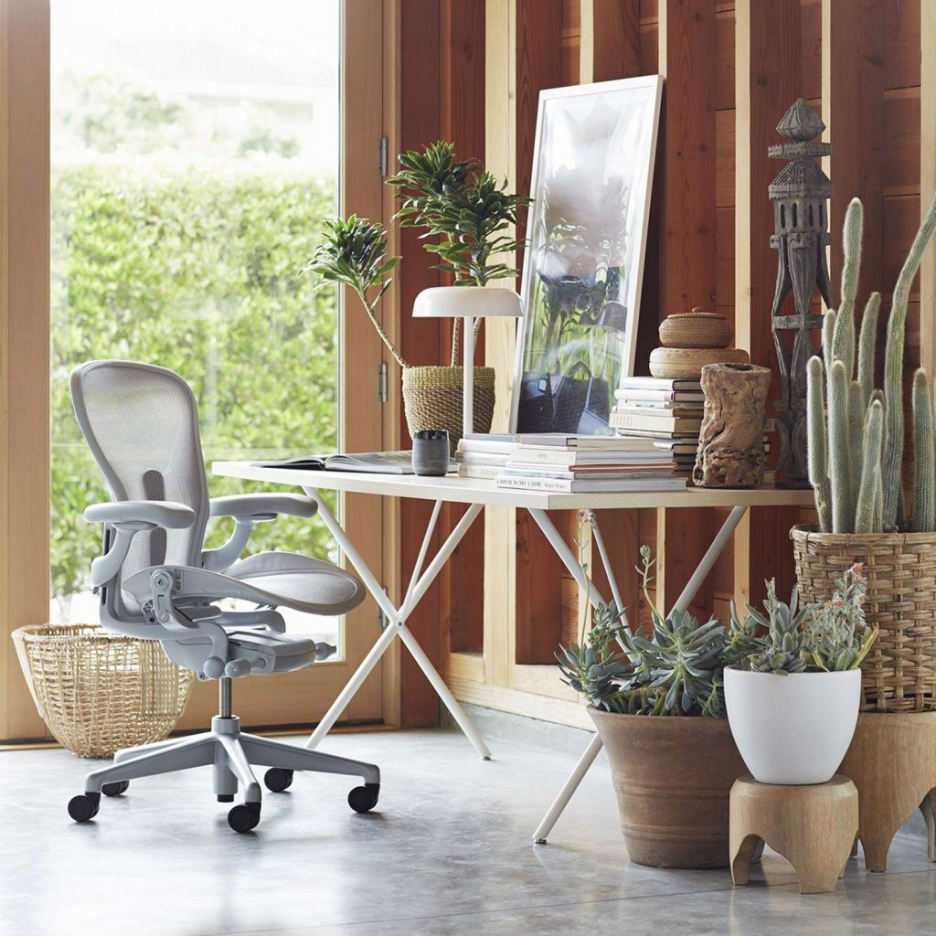
Working from home becomes much more productive when you have a dedicated workspace designed for comfort and focus.
Key elements include:
– Ergonomic furniture
– Adequate lighting
– Minimalist décor
– A few plants or natural wooden accents
A well-defined workspace helps establish boundaries between professional and personal life, supporting both productivity and mental health.
10. Embrace Sustainable Living
A healthy home is also one that respects the environment.
Consider adopting simple sustainable practices such as:
– Using natural materials like bamboo, wood, and organic fabrics
– Recycling and repurposing household items
– Reducing plastic consumption
– Expanding greenery on balconies and windowsills
Small lifestyle changes can make a meaningful difference, creating a healthier and more harmonious way of living.
