


Quy Nhon's tourism and resort real estate market is poised for a quality upgrade
To attract high-spending tourists and encourage longer stays, Quy Nhon's resort real estate needs to supplement its supply of quality accommodation, diversify experiences, and better connect with its value proposition.
Great potential for growth
During peak tourist seasons , the high occupancy rates at high-quality hotels in Quy Nhon have highlighted the pressure of accommodation demand. Data released at the Gia Lai tourism industry conference in July 2026 showed that the province currently has 1,257 accommodation establishments with 23,197 rooms, including 3 five-star hotels, 15 four-star hotels, and 19 three-star hotels.
These figures cover the entire Gia Lai province after the administrative boundary reorganization, not just the Quy Nhon area. However, this structure shows that the high-end accommodation segment still accounts for a small proportion of the total accommodation system. Meanwhile, the number of tourists continues to increase.
Specifically, in the first nine months of 2026, Gia Lai province is expected to welcome 13.505 million visitors, an increase of approximately 25% compared to the same period in 2025; total revenue from tourism is projected to reach approximately 29.210 billion VND, a 26.4% increase compared to the annual plan, creating a favorable foundation to achieve the target of welcoming 15 million visitors with total revenue of 35 billion VND in 2026.

However, along with the growth in tourist numbers, the challenge is not only to expand the scale of tourist arrivals but also to improve the quality of accommodation, especially in the high-end segment. In Quy Nhon, accommodation demand can increase sharply during peak tourist seasons, while the capacity of high-quality hotels and resorts needs to be assessed in terms of room capacity, service standards, and overall experience. This is a market gap that needs to be more clearly evaluated to attract high-spending tourists, extend their stay, and increase revenue per trip.
In this context, developing more high-end accommodation products with professional operational capabilities and creating unique experiences will contribute to enhancing the competitiveness of the destination. For the resort real estate market , opportunities lie not only in the growth of tourist numbers but also in the ability to meet the demand for high-quality accommodation with products that can be effectively utilized year-round.
New supply needs to be accompanied by a quality experience.
At a meeting to review the results of the National Tourism Year 2026 implementation during the first nine months, identify bottlenecks, and plan tasks for the last three months of 2026, the leaders of Gia Lai province stated that the implementation of the National Tourism Year has created a ripple effect, attracting the attention of tourists, businesses , and localities; many programs, events, and promotional activities have been organized, contributing to enhancing the image and attractiveness of Gia Lai as a destination.
Tourism stimulus activities, implemented synchronously through promotional programs, product development, and service quality improvement, have contributed to strong growth in both visitor numbers and revenue.
With that orientation, Quy Nhon has the opportunity to move beyond its model as a destination primarily dependent on seasonal beach tourism and develop into a center for accommodation and relaxation, as well as a gateway connecting cultural and natural exploration routes in Gia Lai.
For the resort real estate market, this also changes the perception of project value . A product with a prime location but lacking supporting services or a suitable operating model may not necessarily generate commensurate returns. Conversely, a project located in a central area, conveniently connected to the beach, squares, restaurants, and attractions, may possess the advantage of attracting a diverse range of customers and diversifying their needs.
This is the context for new accommodation projects in the heart of Quy Nhon to find their place in the market. For example, Q'Terra by Phat Dat Real Estate Development Joint Stock Company, located at 1 Ngo May Street, Quy Nhon Nam Ward, has 39 floors and 864 tourist apartments.
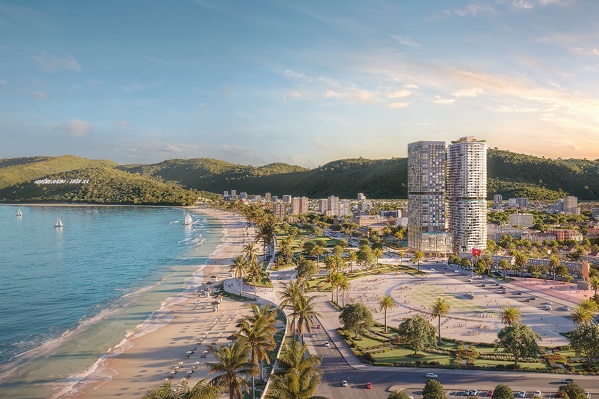
From here, you can access the beachfront, the town square, and connect to the local tourist attractions. Furthermore, the project is being developed next to the Courtyard by Marriott hotel; CBRE is responsible for international management and operation.
According to experts, the long-term value of Gia Lai tourism will depend on its ability to transform the attention it receives in a single year into a sustainable attraction for the destination. However, to turn potential into revenue, the locality needs to continue improving infrastructure, enhancing the quality of its workforce, diversifying products, and developing services that are strong enough to retain tourists.
In the resort real estate market, opportunities therefore lie not only in anticipating the increase in tourist numbers, but also in the ability to choose the right segment and develop products that suit new needs. The supply of high-end accommodation can be a crucial link, but it will only be effective when placed within a vibrant tourism ecosystem.
Source: Dau Tu Newspaper.
RELATED NEWS
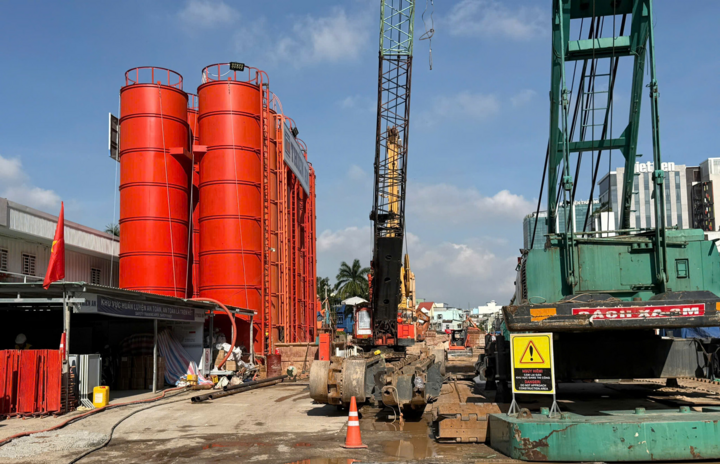
Ho Chi Minh City plans to start construction on 5 metro lines by the end of 2026. Among these, the Thu Thiem line connecting to Long Thanh Airport has the largest capital investment, at approximately 134,000 billion VND.
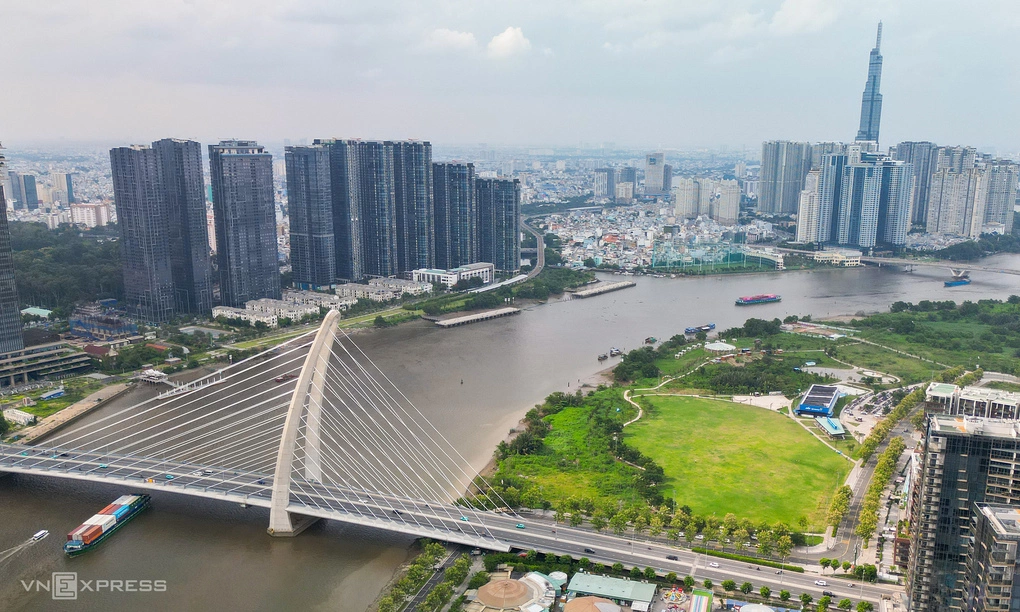
Vietnam has over 16,000 "branded" properties (including both completed and under-construction), ranking third in the world after the UAE and the US, according to Global Branded Residences.

Behind the new ranking lies significant changes in the legal framework, data, and how the real estate market in Vietnam is valued.
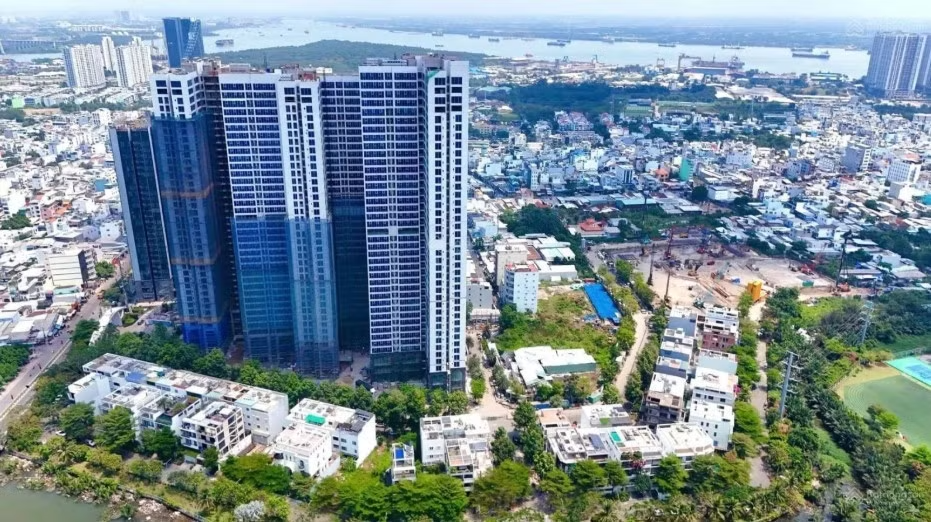
TPO - Phat Dat Real Estate Development Joint Stock Company has been granted permission to change the land use purpose of an additional 2,100 m2 of land to implement the Tan Phu Ward Housing Project, while Hung Loc Phat Real Estate Investment Joint Stock Company has changed the land use purpose of 37,170 m2 of land to implement the Apartment Complex Project in Tan Thuan Ward.

Total tax payments amounted to VND 230,000 billion, contributing nearly 9% of the national budget revenue. (Data from VNTAX system 2026).
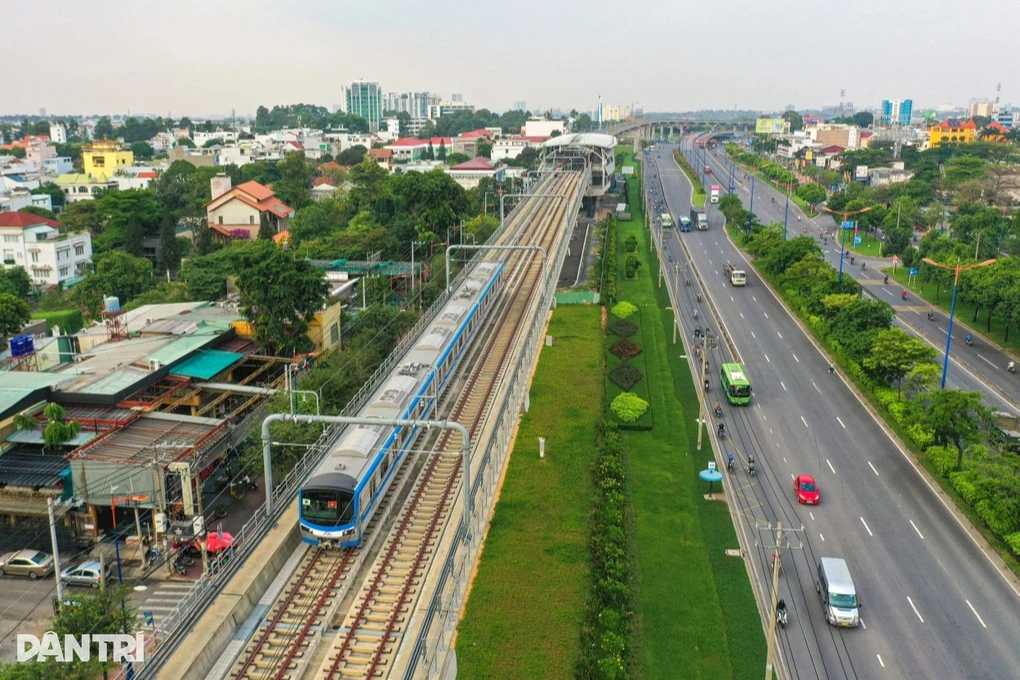
(Dan Tri Newspaper) - Transportation infrastructure is no longer just a supporting factor but is becoming a driving force that is changing the way the real estate market develops and values.
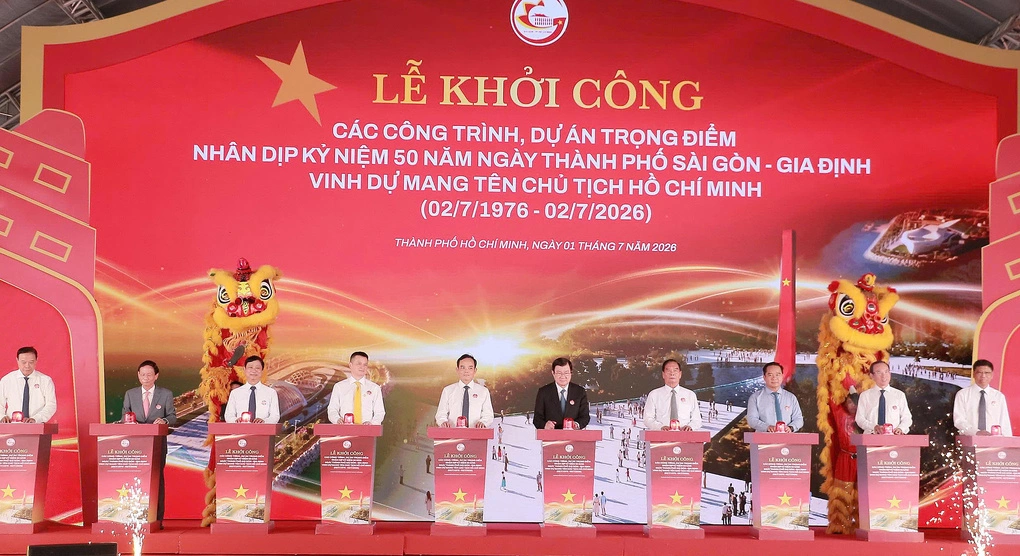
8 infrastructure, logistics, and public space projects, with a total investment of nearly 250,000 billion VND, were launched on the morning of July 1st, coinciding with the 50th anniversary of Saigon - Gia Dinh being named after President Ho Chi Minh.
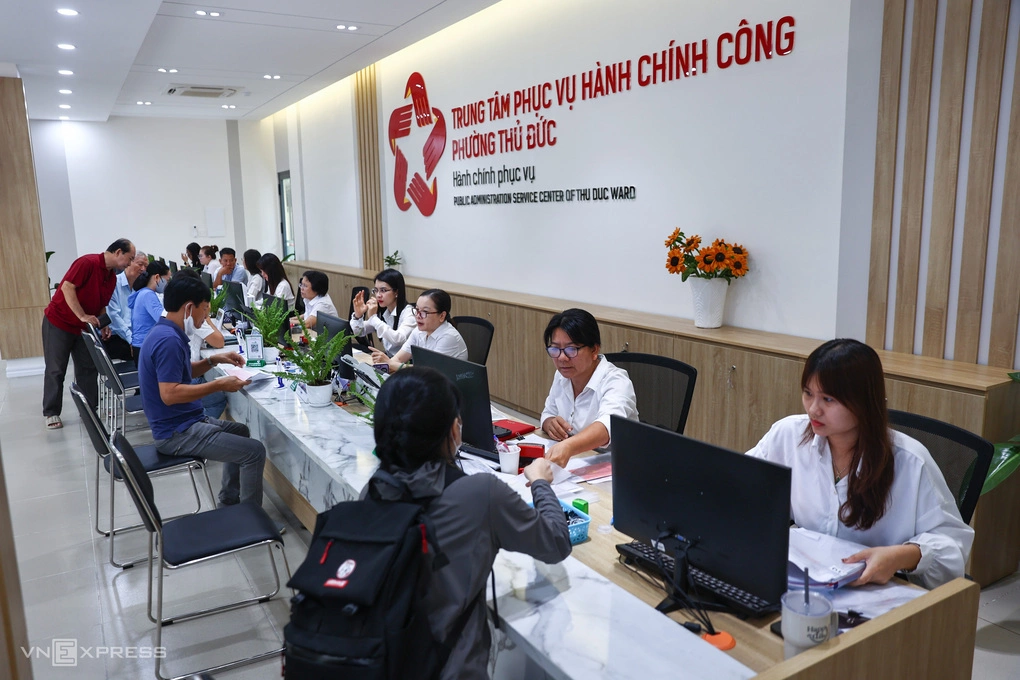
Ho Chi Minh City has decentralized 26 land-related tasks to the commune level, with many procedures such as land allocation, reclamation, and land use conversion being decided by the chairperson of the commune/ward People's Committee according to their authority.