


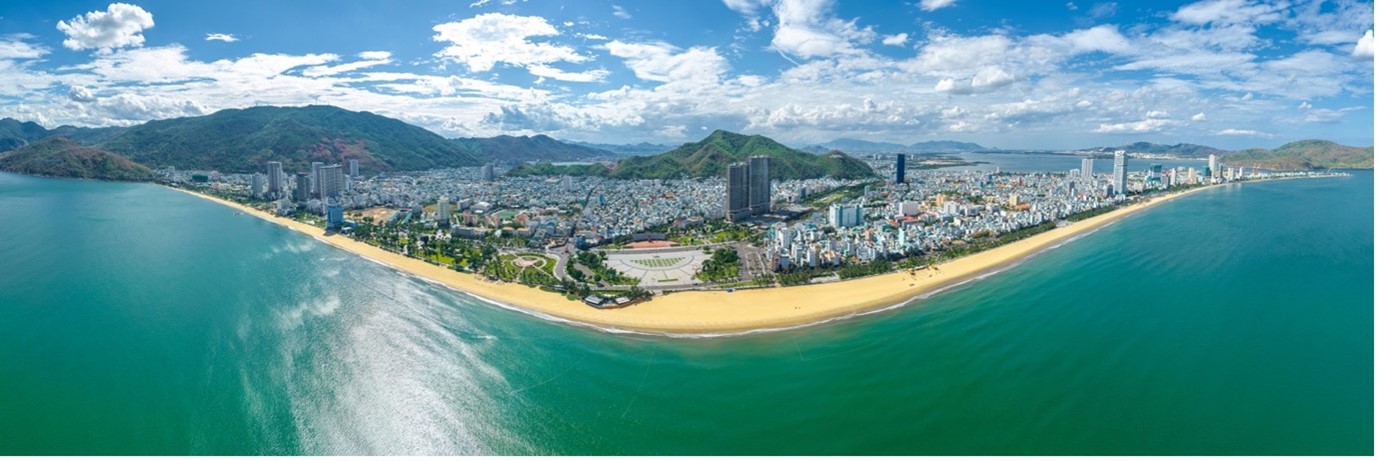
The beachfront land in central Quy Nhon forms a limited pool of accommodation properties
Beachfront land, located in the heart of Quy Nhon city, especially right in the central square, is a scarce asset. Its value stems from its location and its connection to the existing tourism, commercial, and service ecosystem.
From valuing beachfront assets…
As the supply of resort properties enters a filtering phase, properties with exceptional locations are attracting increasing attention. Especially for beachfront properties, location has the added characteristic of being irreplaceable.
In the case of Quy Nhon, this difference is even more noteworthy as the city has already formed a relatively complete coastal urban space, instead of just being a new resort market awaiting infrastructure and population development.
Specifically, after the administrative reorganization, the Quy Nhon Nam ward area in Gia Lai province is now an urban space connected to the coastal axis, with a system of services, commerce, and tourism activities already in place.
Current asking prices also show a clear differentiation based on location. On Xuan Dieu Street, some beachfront plots with sea views are being offered at around 220-230 million VND/m²; in some cases, beachfront properties are being offered at around 250 million VND/m². Meanwhile, in the Nguyen Thi Dinh area, some plots located 50-70m from the sea are being offered at around 143-164 million VND/m².
On An Duong Vuong street, a plot of land over 1,000 m², about 50 m from the sea, is currently being offered at the equivalent of nearly 138 million VND/m². In the current market, high prices are still seen in locations with commercial potential. For example, a 430 m² property on An Duong Vuong street is being offered for 107 billion VND, equivalent to 248.8 million VND/m²; a 1,600 m² beachfront plot on the same street is being offered at 250 million VND/m².
In terms of tourism, Quy Nhon is entering a new phase as its tourism space expands. In the first eight months of 2026, the province is estimated to welcome 12.41 million visitors, an increase of 24.8% compared to the same period.
To date, the province has 1,257 accommodation establishments with 23,197 rooms. Notably, during the 5-day National Day holiday on September 2nd, 2026, Gia Lai is estimated to welcome approximately 513,000 visitors, a 48% increase compared to the same period last year; total revenue from tourism is expected to be around 985 billion VND.
Currently, the locality continues to promote tourism products related to beaches, highlands, culture, and ecology. At the same time, it is stepping up promotion efforts in Hanoi, Ho Chi Minh City, and international markets.
…to the hunt for assets that can generate cash flow.
In reality, even within the same coastal city, the potential for exploitation of projects can vary greatly. This is because the cash flow potential of an asset depends on its location, connectivity to other destinations, surrounding service systems, and operational quality.
This is also why the market is gradually shifting from "buying resort properties" to choosing resort assets. In this context, locations that possess many scarce elements are beginning to receive more attention.
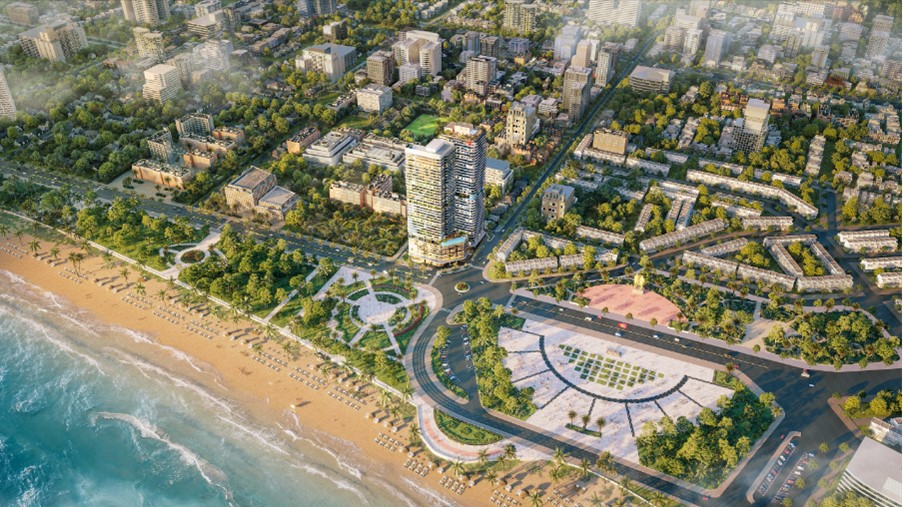
In Quy Nhon, Q'Terra is a case study that can be viewed from this perspective. The project is located at 1 Ngo May Street, Quy Nhon Nam Ward, at the intersection of Ngo May - An Duong Vuong - Dien Hong - Nguyen Tat Thanh - Xuan Dieu streets. From the project, one can access the Ghenh Rang - Tien Sa beach strip, Nguyen Tat Thanh Square, Quy Nhon Square, and connect to destinations such as Bai Trung Beach, Eo Gió, and Ky Co.
The noteworthy aspect of this project is not just its "seafront" location, but also its position within the urban structure. Furthermore, the project is being developed alongside the Courtyard by Marriott hotel complex; CBRE is responsible for international operational management, while MB Bank is the financing bank , partnering with the project.
According to Dr. Tran Xuan Luong, Deputy Director of the Vietnam Institute for Real Estate Market Research and Evaluation (VARS IRE), resort real estate is essentially a cash flow asset, rather than just an asset waiting for price appreciation. Therefore, the value of the product depends on its ability to generate cash flow throughout its operation.
Therefore, in addition to the capabilities of the developer and operator, investors need to pay special attention to the legal transparency, location, infrastructure connectivity, customer base, and operating capacity of the project.
And this could also be the differentiating factor for beachfront properties in central Quy Nhon in the race to attract investment. Investors are not just looking for an apartment near the sea, but for a property located where the sea, the urban center, tourist flows, and service systems converge.
Source: Dau Tu Newspaper
RELATED NEWS
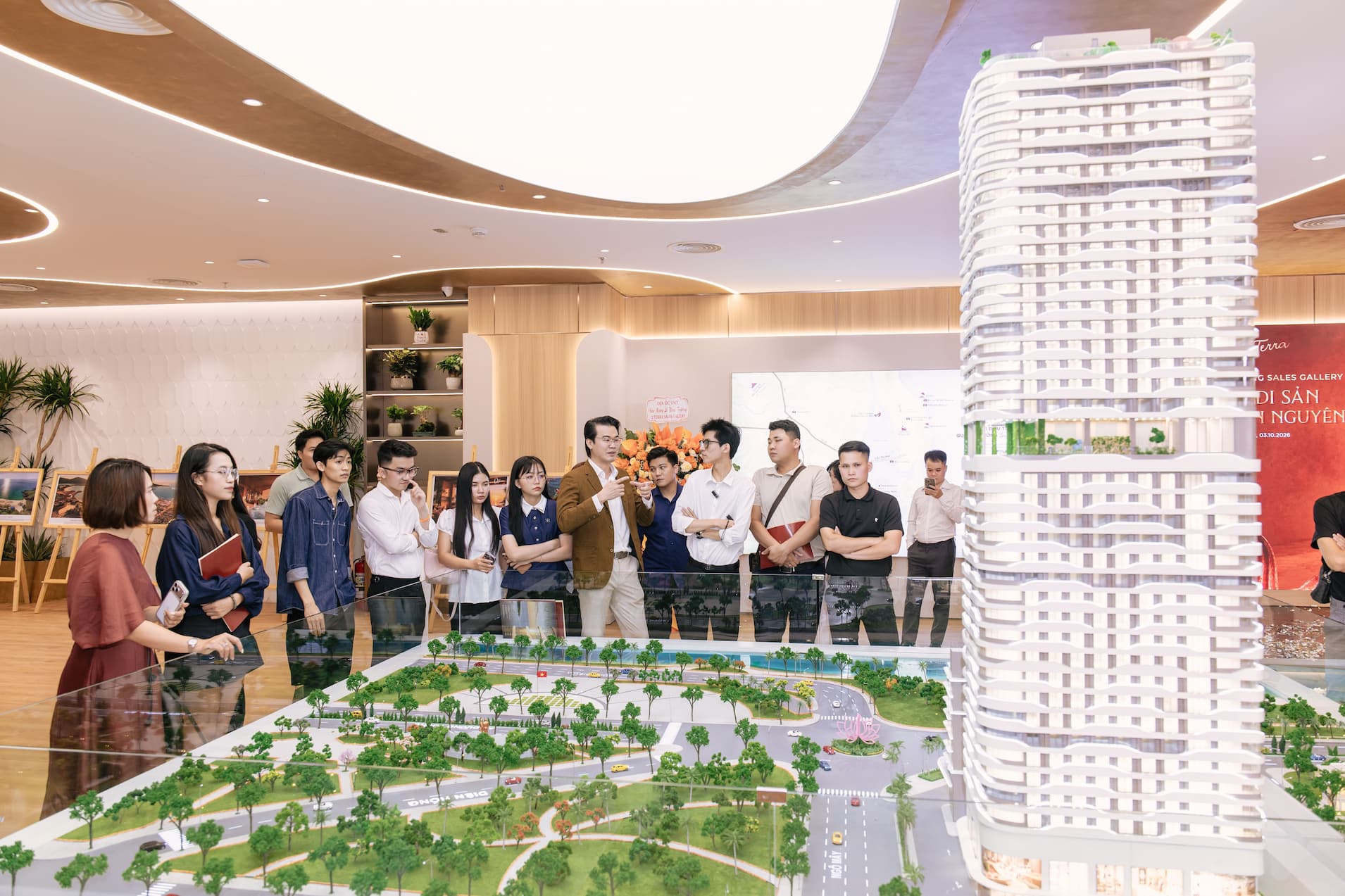
With sales offices now operating in Quy Nhon and Hanoi and a new Show Flat Complex under construction in HCMC, Phat Dat Real Estate Development Corporation (PDR: HOSE) is strengthening its sales infrastructure nationwide for the Company's next business cycle with ongoing and upcoming projects, including Lotte Eco Smart City Thu Thiem.
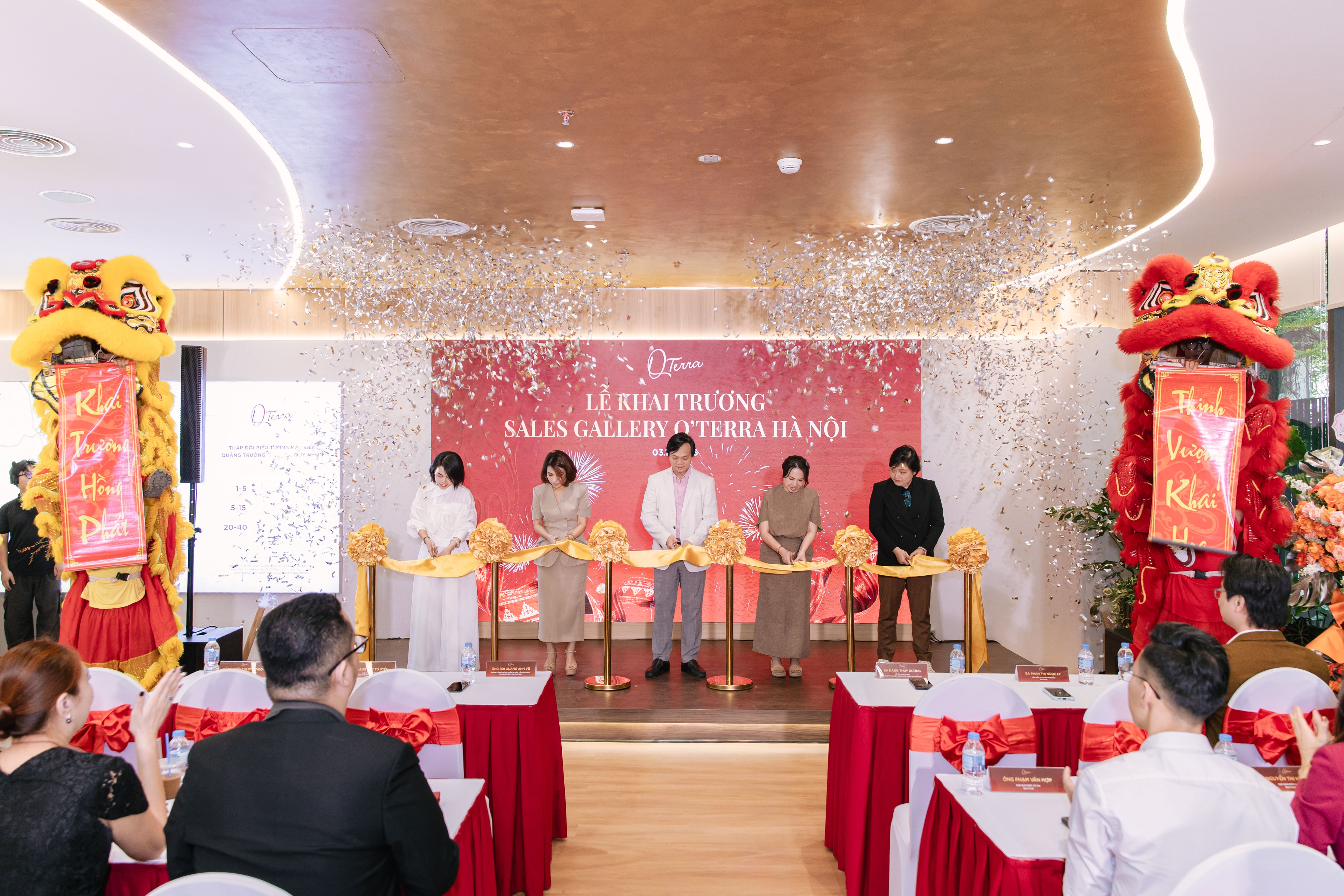
On October 3, 2026, Phat Dat Real Estate Development Corporation (PDR: HOSE) officially opened its Sales Office at Grand Terra Building, 36 Cat Linh Street, Hanoi. The new office marks another step in Phat Dat's plan to expand its presence in Hanoi and across Northern Vietnam, while providing customers in the region with a convenient place to explore the Company's projects.

Phat Dat introduces Q'Terra, a 39-story beachfront tourist apartment tower in the heart of Quy Nhon Nam ward, Gia Lai province, targeting the accommodation needs of the area.
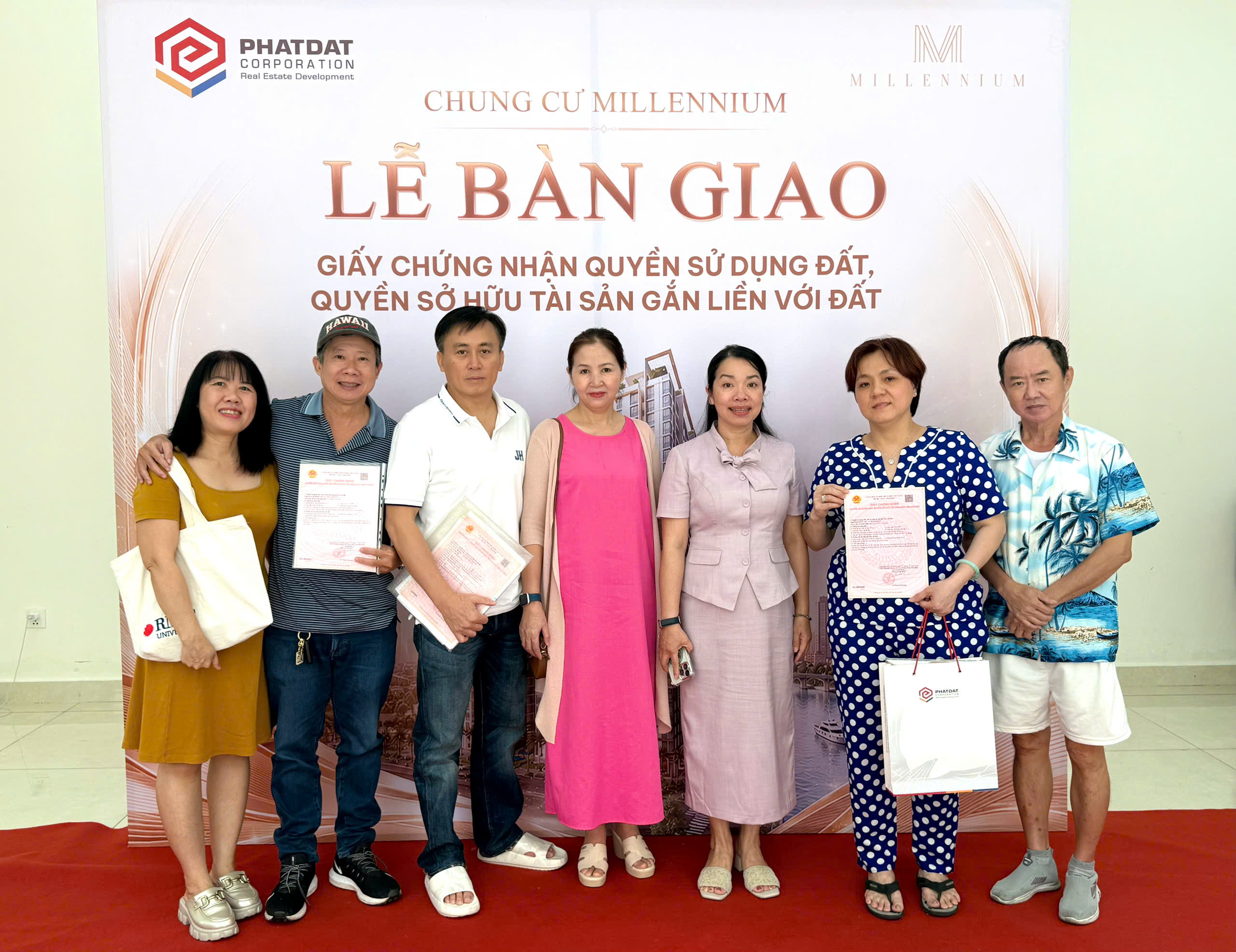
On September 26, 2026, Phat Dat Real Estate Development Corporation (PDR: HOSE) held the first group handover of ownership certificates to Millennium residents. The certificates, formally known as Certificates of Land Use Rights, Ownership of Houses and Other Land-Attached Assets, were handed over at the building's Community Room at 132 Ben Van Don Street, Khanh Hoi Ward, HCMC.
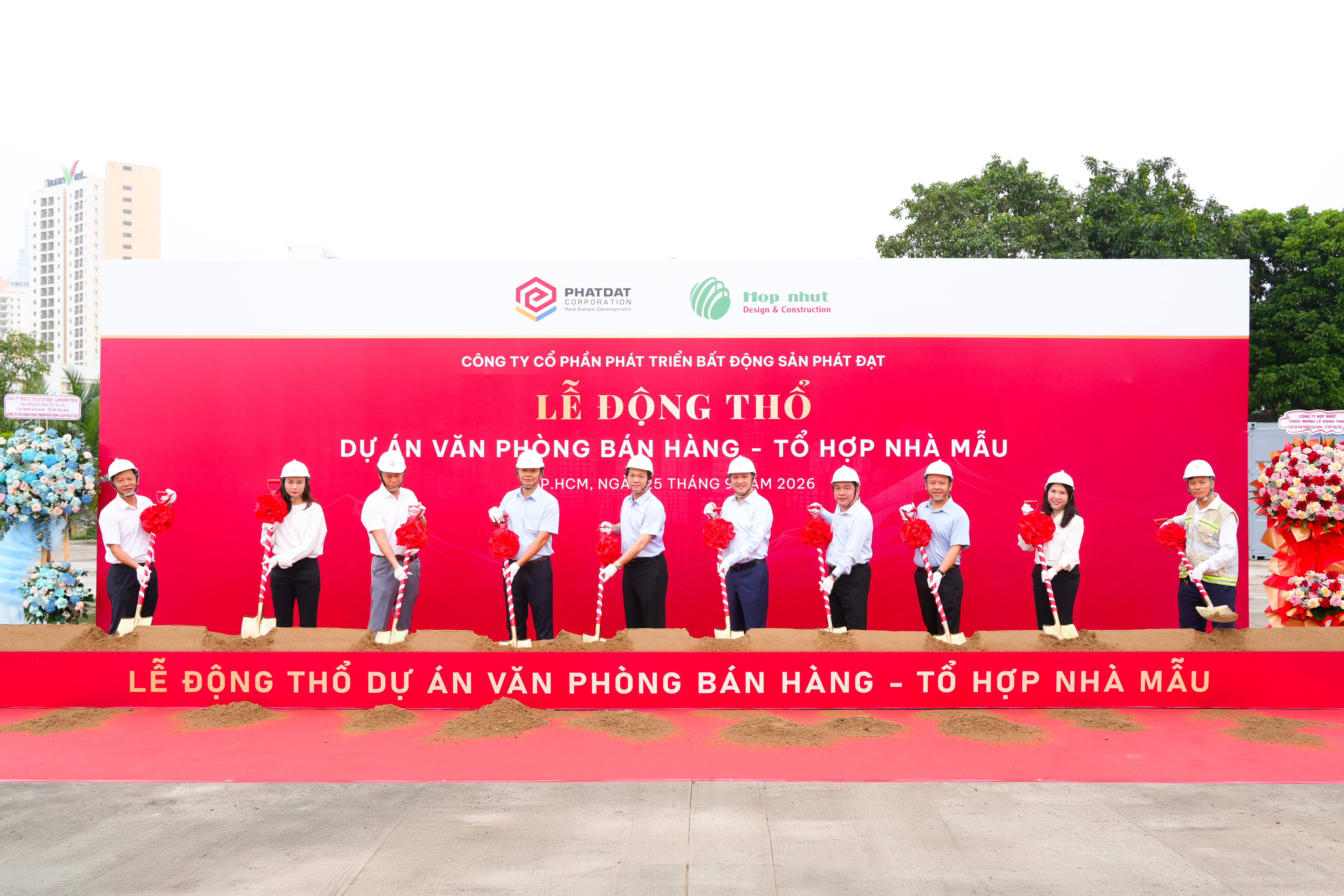
On September 25, 2026, Phat Dat Real Estate Development Corporation (PDR: HOSE) held a groundbreaking ceremony for its Sales Office and Show Flat Complex on Mai Chi Tho Street, An Khanh Ward, HCMC. The project marks an important step in Phat Dat's preparations to create a dedicated space where customers can explore its projects, experience its products, and connect with the Company.
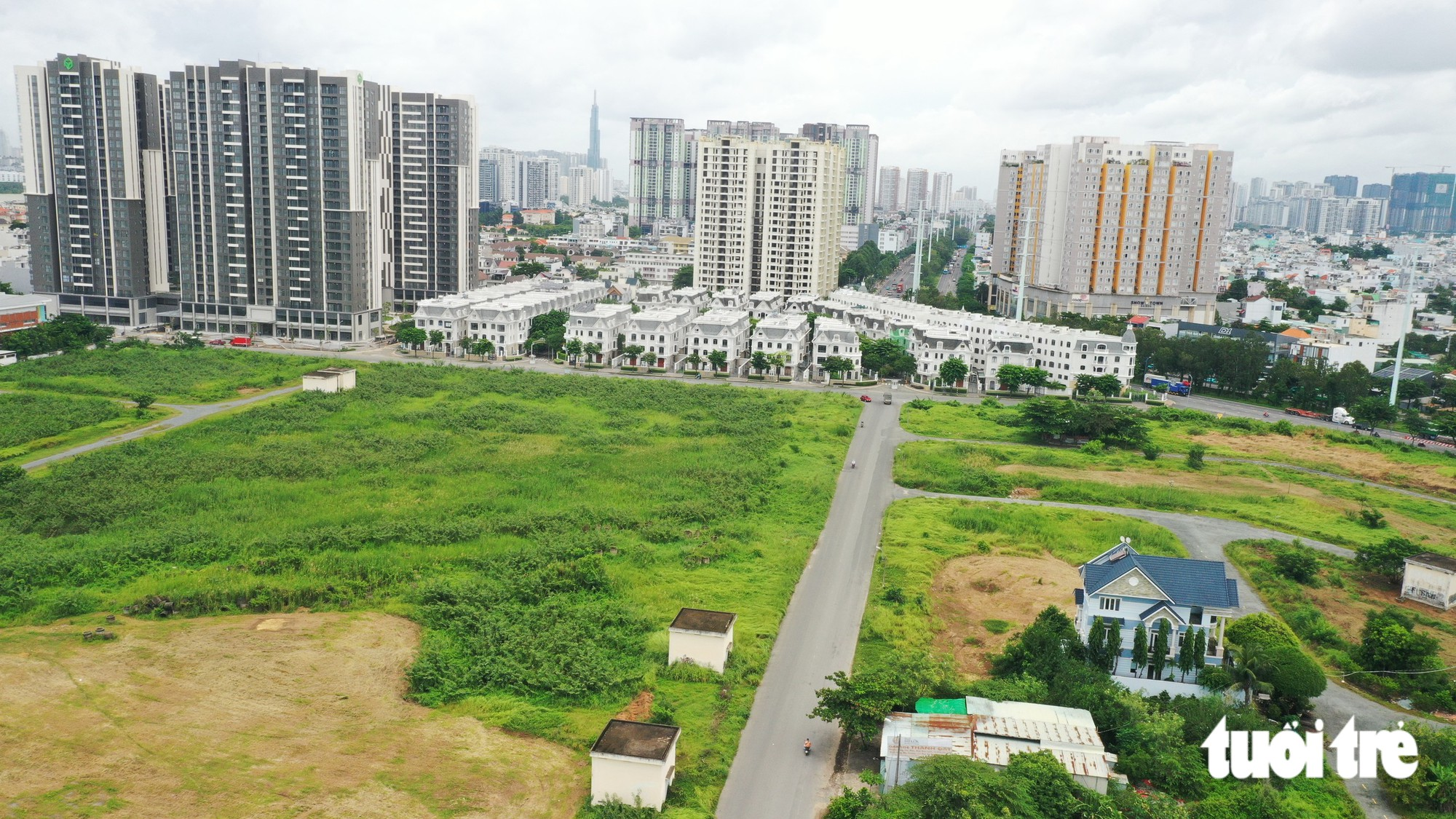
As of mid-September, thousands of stalled and long-delayed projects remain nationwide. In Ho Chi Minh City, lhttps://www.phatdat.com.vn/admincp/blog/posts/edit/10014egal obstacles have been resolved for 650 projects, contributing to the release of significant resources from land and investment capital that had been tied up for many years.

Phat Dat Real Estate Development Corporation (PDR: HOSE) will officially break ground on Blocks 2-1 and 2-3 of Lotte Eco Smart City Thu Thiem on October 23, 2026.

Behind the new ranking lies significant changes in the legal framework, data, and how the real estate market in Vietnam is valued.